Frey Pet Hospital
Proudly serving the area for over 50 years. Our progressive, passionate, and inclusive veterinary team specializes in caring for cats and dogs with a modern approach rooted in a relentless commitment to the highest veterinary standards.
Proudly welcoming new clients!
Download Our App
Conveniently manage your pet’s health on the go with the PetDesk mobile app. Request appointments, access vaccine records, and receive reminders.
Shop Our Online Store
Access New Client Form
Ready to start your pet’s care journey with us? Fill out our New Client Registration Form to get started with Frey Pet Hospital.
We’re proudly AAHA-accredited!
A reflection of our commitment to veterinary excellence, Frey Pet Hospital is an AAHA-accredited animal hospital — a distinction held by only 15% of small animal practices in the U.S. The American Animal Hospital Association sets over 900 rigorous standards in patient care, diagnostics, surgery, cleanliness, and more. Our accreditation is your assurance that your pet receives veterinary care that consistently exceeds industry benchmarks.
Our team at Frey Pet Hospital upholds these gold-standard protocols every day as part of our ongoing dedication to your pet’s comfort, safety, and well-being.
Comprehensive Services for Cats and Dogs in Cedar Rapids, IA
Frey Pet Hospital offers a full range of veterinary services to support your pet at every stage of life. Our specialties include:
Advanced Surgery
Wellness Examinations
Veterinary Dentistry

Breeding Management
Meet Our Veterinary Team
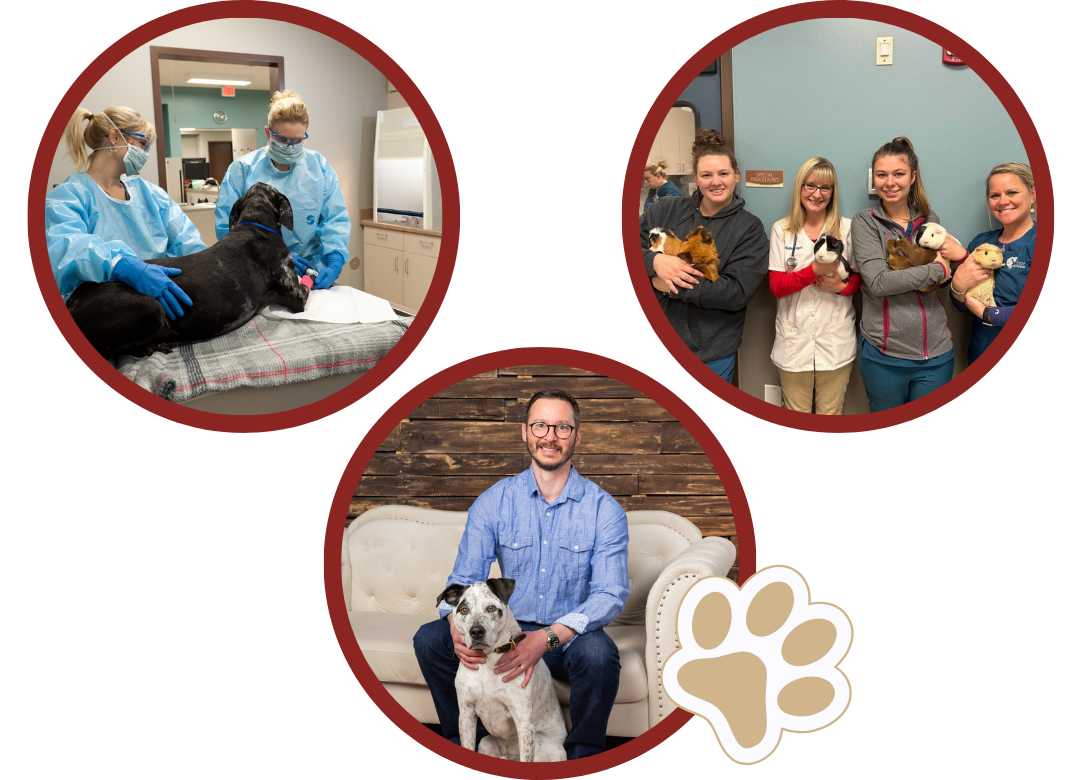
Our team of seven veterinarians brings decades of experience, advanced training, and heartfelt dedication to every pet we treat. Supported by a skilled staff of technicians, receptionists, and assistants, we strive to create a welcoming environment where pets and their people feel safe, secure, and valued.
We’re committed to making every visit to our hospital as calm and stress-free as possible. Our team includes Fear Free Certified Professionals and Cat Friendly caregivers, all committed to reducing fear, anxiety, and stress in our patients.
Trusted by Pet Parents in Cedar Rapids and Beyond
For over five decades, Frey Pet Hospital has built lasting relationships with families across Cedar Rapids, Marion, Hiawatha, Mount Vernon, North Liberty, Marengo, Belle Plaine, Vinton, and Urbana. Our reputation is rooted in personalized care, cutting-edge technology, and a deep love for animals.
Hear what our clients have to say about their experiences with us.